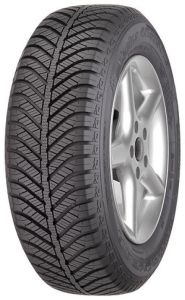
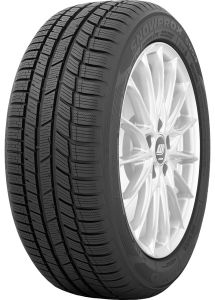
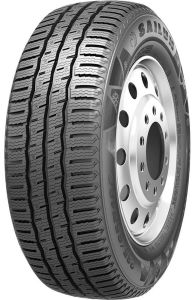
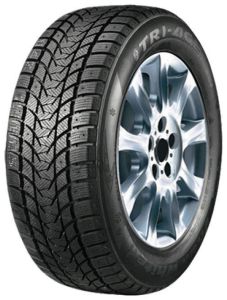
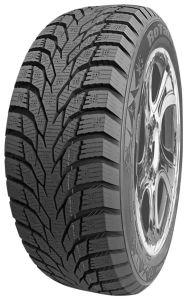
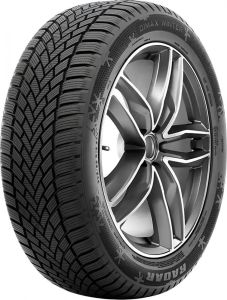
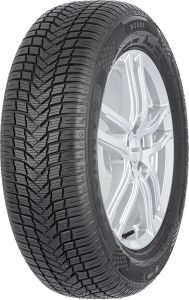
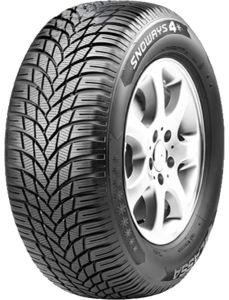
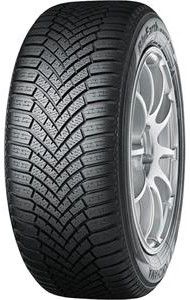
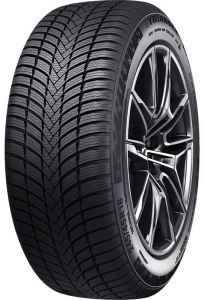
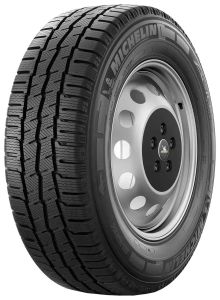
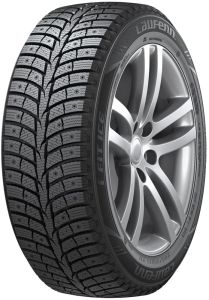
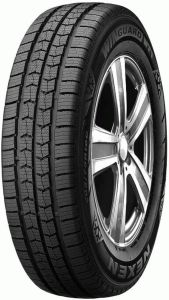
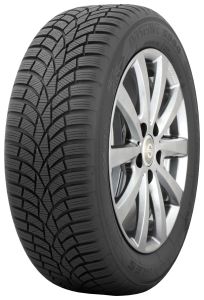
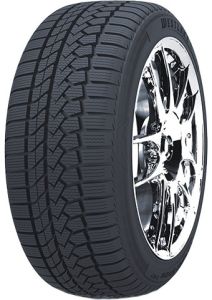
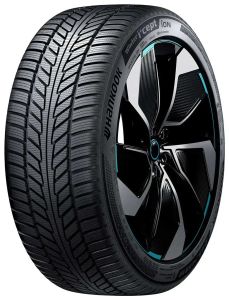
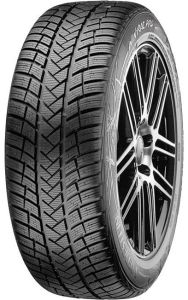
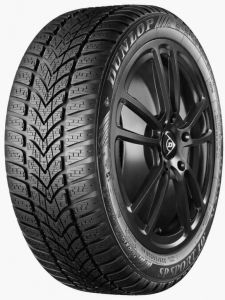
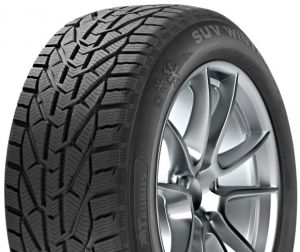
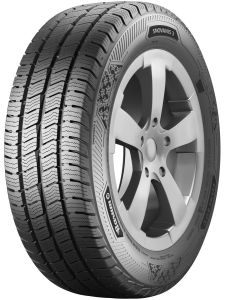
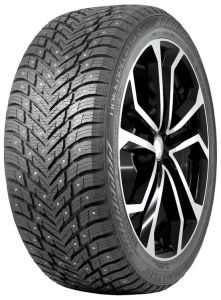
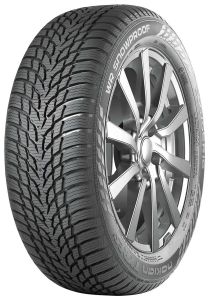
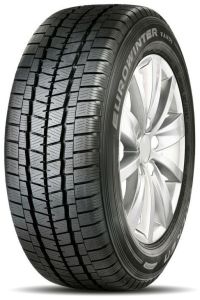
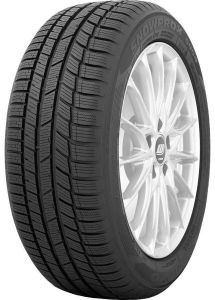
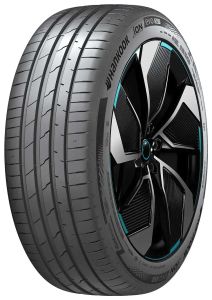
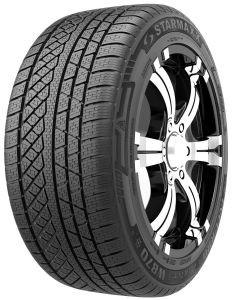
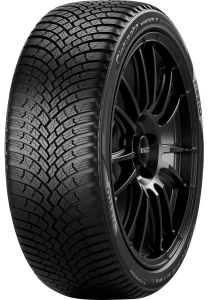
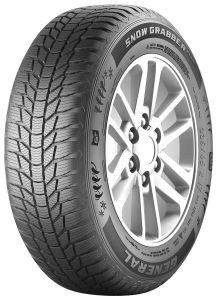
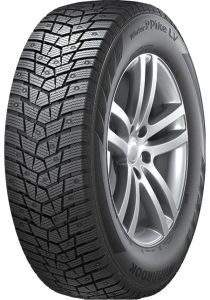
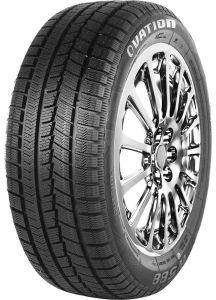
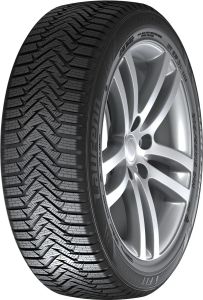
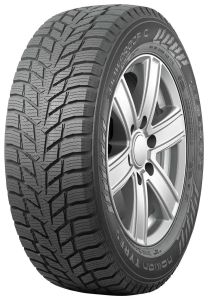
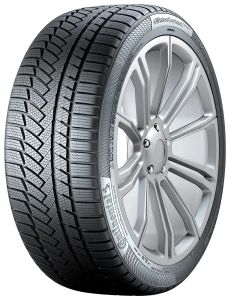
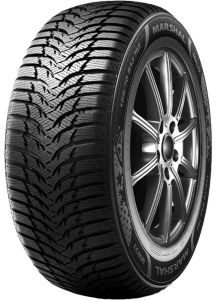
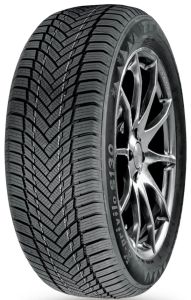
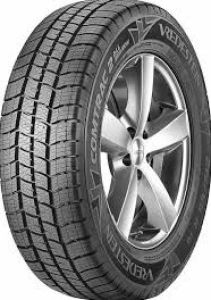
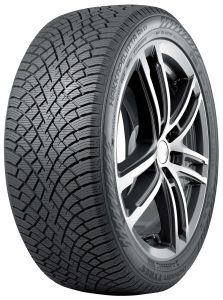
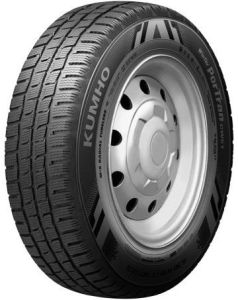
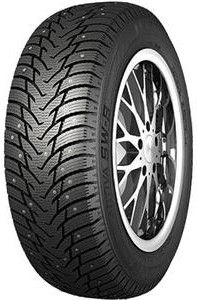
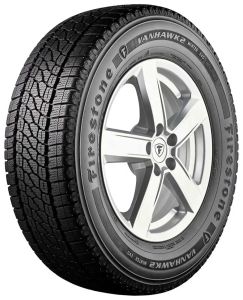
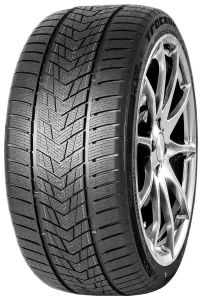
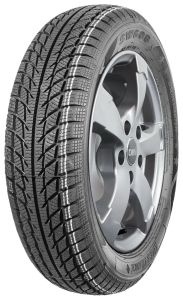
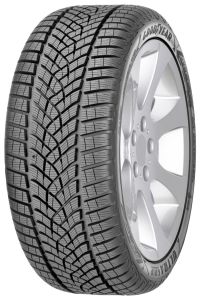
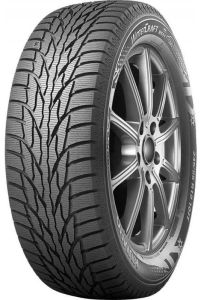
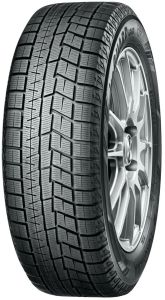
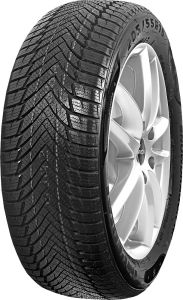
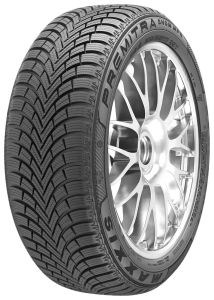
A winter tyre is not just a snow tyre. It works whenever the air is cold, including on wet asphalt with no snow. The difference comes from a softer rubber compound that does not harden below zero, deeper tread blocks and sipes. Sipes are the fine cuts in the blocks that open up under braking and bite into the snow. Continental draws the line at around +7 degrees: below that a summer compound starts to harden, and on ice or snow a summer tyre's braking distance is 30-50% longer. All-season rubber always gives something up in winter, because it has to work all year round.
In Latvia there is no choice. From 1 December to 1 March passenger cars must run winter tyres, and since 2024 those tyres have to carry the 3PMSF symbol. The old M+S marking no longer counts during the winter period, so it is worth checking the marking on the product page and on the sidewall itself.
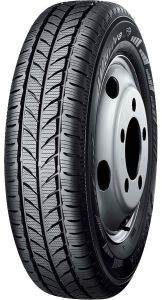
This section lists winter models only: studded, friction (studless) and C-class tyres for vans, in a wide range of sizes from R13 to R22. Which option suits you depends on where the car actually drives.