Useful info
Everything you need to know about tyres. Choose wisely - drive safely!
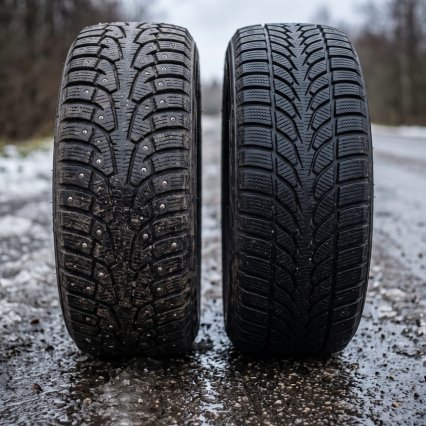
In the shop we hear the same conviction almost every autumn: if a tyre has studs, everything will be fine in winter, while a studless tyre is supposedly hopeless on ice. The numbers from independent tests demolish that assumption. This article brings together what measurements by VTI, Väylävirasto, ADAC and Tekniikan Maailma show about studded and studless tyres, what the law requires in Latvia, and what the choice should really be based on.
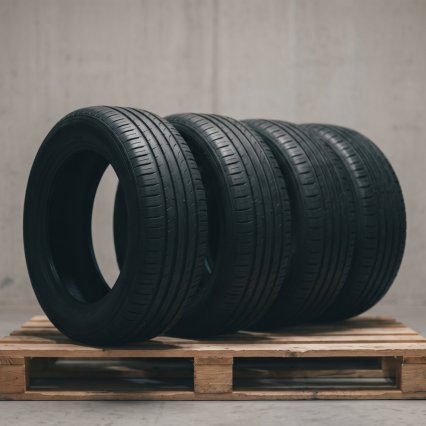
Tyres age even when nobody is driving on them, so it does matter where a set spends the six months between seasons. A balcony, a shed, a cellar and a garage next to the compressor each mean something entirely different to the rubber, and in spring the difference goes unnoticed - the tyres look exactly the same as they did in autumn, but the bill comes later. Preparation, the right spot and the correct way of stacking them decide whether the set lasts another season.
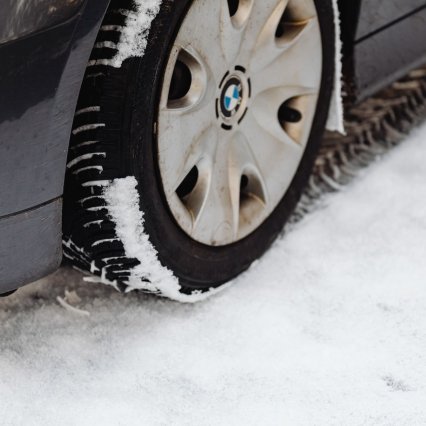
Swap tyres as soon as the first frosts hit, or wait until 1 December, when the law requires winter tyres? Latvia's regulatory requirements and figures from independent braking tests help pinpoint the right moment - and explain why changing too early is not a good idea either.

Are cheaper all-season tyres a smart choice or a risky saving? Independent tests from ADAC, Auto Bild and Tyre Reviews reveal a surprising truth: budget tyres brake up to 18 metres longer on wet roads than premium options - and cost more in the long run. We compare braking distances, tread life and total costs over 60,000 km with specific figures.
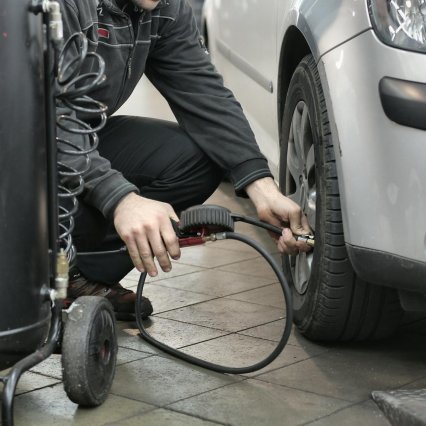
Tyres are the only contact between your car and the road - braking, cornering stability and fuel consumption all depend directly on them. Yet many drivers choose tyres on price alone, without knowing what the numbers on the sidewall mean or why you shouldn't fit passenger-car tyres on an SUV. In this guide we explain, in plain language, everything you need to know before you buy.