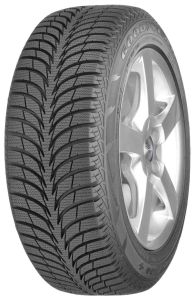
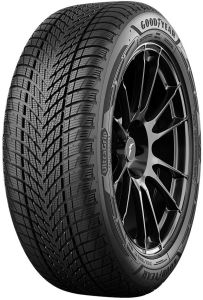
How Goodyear thinks about winter and what the brand's technologies do
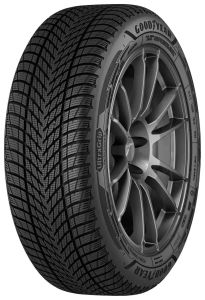
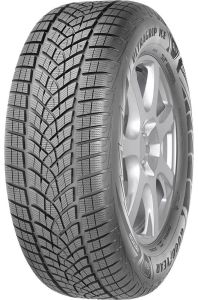
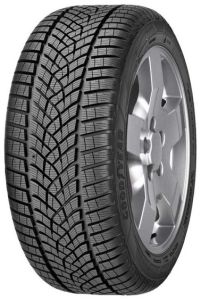
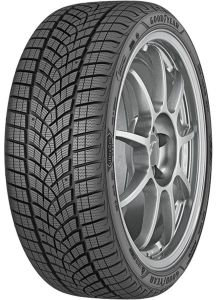
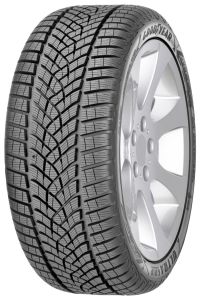
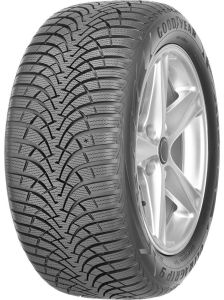
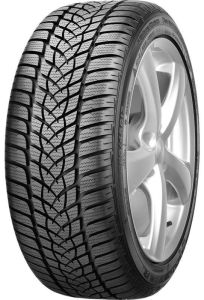
Goodyear is an American manufacturer, but it builds its winter tyres for European roads, and it aims the studded Arctic line squarely at Nordic and Baltic buyers. In practice those are two different jobs for the engineers. In the Performance family everything revolves around cold, wet tarmac: that is where Snow Protect Technology works, with a denser network of sipes and extra biting edges in the shoulder, along with Wet Grip+ and its rounded contact patch and 3D sipes. According to the manufacturer, the UltraGrip Performance 3 cuts rolling resistance by up to 3% and tyre weight by up to 10%; some sizes also come with SoundComfort Technology, which reduces the noise heard inside the cabin by up to 4 dBA (Goodyear).
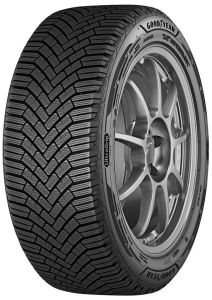
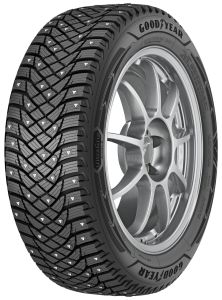
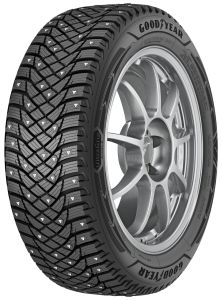
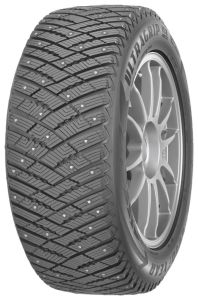
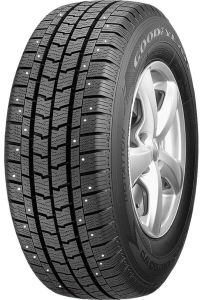
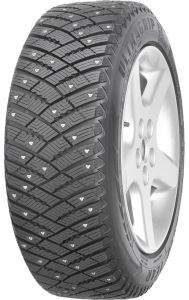
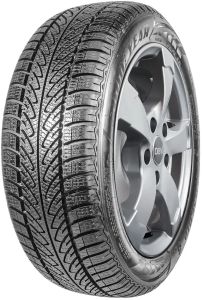
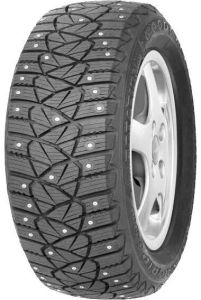
The Ice family has a different task: the rubber has to stay flexible in hard frost. The brand states that the UltraGrip Ice 3 compound is 35% softer at -30 °C than the Ice 2, while Ice Handling+ increases the contact area by 20% (Goodyear on the Ice 3). The studded Arctic 2 uses Arctic Eagle Claw technology, which fits up to 220 studs into a single tyre with reinforced anchoring in the tread (Goodyear on the Arctic 2).
The model range by application
The logic of the range is simple. The two studless families split tarmac and snow between them, the studded family takes care of ice, and both northern lines also have an SUV version. Vans have their own Cargo line. The table shows the diameter range in which each model is offered; whether a particular size is in our catalogue is shown on the model page.
| Model | Studs | Segment | Diameters | 3PMSF |
|---|
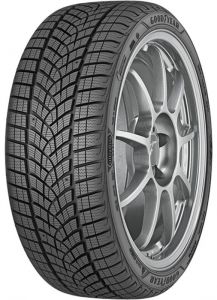
| UltraGrip Performance 3 | Studless | Passenger car, crossover, EV | R14-R22 | Yes |
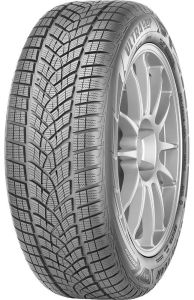
| UltraGrip Performance+ | Studless | Passenger car | R15-R22 | Yes |
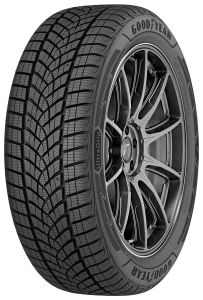
| UltraGrip Performance+ SUV | Studless | SUV, 4x4 | R16-R22 | Yes |
| UltraGrip Ice 3 | Studless, Nordic type | Passenger car, EV | R15-R22 | Yes |
| UltraGrip Ice SUV Gen 1 | Studless, Nordic type | SUV, 4x4 | R16-R22 | Yes |
| Ultra Grip Arctic 2 | Studded | Passenger car | R16-R20 | Yes |
| Ultra Grip Arctic 2 SUV | Studded | SUV, 4x4 | R16-R21 | Yes |
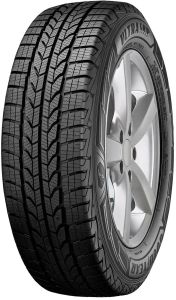
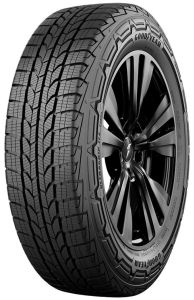
| Cargo UltraGrip | Studdable | Light commercial, vans (C) | R15-R19 | Yes |
| UltraGrip Ice Cargo | Studless | Light commercial, vans (C) | R15-R19 | Yes |
The SUV versions are not simply larger sizes. The Performance+ SUV and Ice SUV Gen 1 sit on a stiffer casing that allows for greater mass and a higher centre of gravity, so a heavy crossover should not be fitted with the passenger-car version just because the size happens to match. Every item in the segment carries the 3PMSF alpine symbol.
The size is chosen from the door-frame sticker, not by eye. Before ordering it is worth checking two more things that turn up in the fitting bay more often than anyone would like:
- Load and pressure. The load index must not be lower than the one set by the manufacturer, and for a heavy SUV or an electric car that in practice means XL or HL. At the same size and pressure HL carries a higher load than XL, so an XL tyre used where the manufacturer calls for HL is working beyond its load capacity (Michelin). A reinforced construction also needs a higher pressure: Continental mentions roughly 0.4 bar more than a standard tyre in the same size.
- C sizes and RunFlat. The Cargo line covers a smaller share of the models than the passenger-car range, so the choice for a van works out narrower. There are even fewer RunFlat items in Goodyear's winter range, so for a car with factory RunFlat equipment the choice is wider in our Bridgestone, Pirelli and Continental sections.
Most of the catalogue items are currently in the R18-R20 range, that is, in today's large wheel sizes. R14 and R15 sizes are in the range as well, there are simply noticeably fewer of them.
What the independent tests show
The ADAC 2025 winter tyre test assessed 31 models in size 225/40 R18, and the UltraGrip Performance 3 came out the winner with an overall score of 2.0: wet 1.8, winter surfaces 2.2, dry 2.5. Projected mileage was around 76,500 km, and no other tyre in the test got that far. In the same size, in the Auto Bild 2025 test with 51 tyres on the start list, the Performance 3 took fifth place with a score of 1.4; mileage and wet performance pulled it up, the dry surface pulled it down.
On the northern side the picture is different. In the Vi Bilägare 2024 Nordic studless tyre test in size 225/45 R17 the UltraGrip Ice 3 won overall and took all three snow tests, with the best snow braking distance of 12.43 m. On clear ice it was fourth at 12.75 m, and the Michelin X-Ice Snow stayed top in that discipline.
The category scores compiled by Tyre Reviews put numbers on the difference between the families: the Performance 3 scores 87.4/100 in the wet but 61/100 on ice, while the Arctic 2 gets 90.6/100 on ice, yet 64/100 in the dry and 59.9/100 for comfort. The older Performance+ looks different again in the same summary: snow 95.5/100, dry 56.6/100, so it holds its place in the range mainly because of size availability. These figures are gathered from different tests, sizes and years, so they describe a tyre's profile rather than a head-to-head measured in one single test.
Who it suits in Latvia and when Goodyear is not the right choice
During the winter period from 1 December to 1 March, vehicles with a gross weight of up to 3.5 t must be fitted with winter tyres marked with the "mountain and snowflake" symbol, and the minimum tread depth for a passenger car is 4 mm (CSDD). M+S alone is no longer enough, and non-compliant tyres carry a fine of 30 euros (LV portāls). The rest is decided by the road the car drives every day.
- Riga and the motorways. Salted, wet tarmac is the Performance family's job; here studs bring more noise than benefit.
- Vidzeme, Latgale, Kurzeme. Where the road often stays white through the winter but studs are not wanted, the Ice 3 or Ice SUV Gen 1 works better.
- Ice every day. The Arctic 2 brakes best on ice, but pays for it with noise and weaker performance on dry tarmac.
- When to look at another brand. In regions with permanent ice the Performance family is not the first choice, even if it ranks among the best in overall test scores. For a driver whose deciding factor is braking on clear ice, the Michelin X-Ice Snow finished ahead in the Nordic test.
Studs wear separately from the tread: on dry tarmac they grind down and partly fall out, so the Arctic 2's grip on ice drops faster than the tread depth would suggest. Tyres are replaced all four at once, because studded and studless tyres may not be mixed on the same car in Latvia, and even mixing two different studless families across the axles changes the car's behaviour unpredictably.
The dates winter tyres become mandatory, and when it is worth fitting them earlier, are covered separately - when to fit winter tyres.