



How to choose
Snap-in or clamp-in
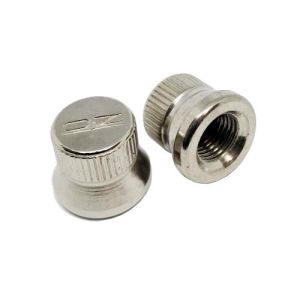
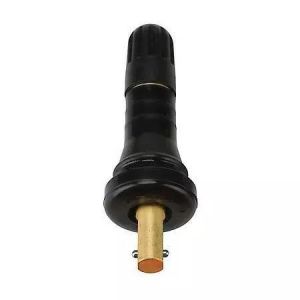
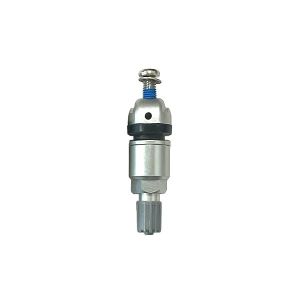
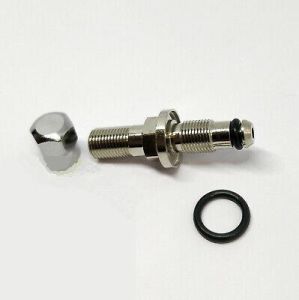
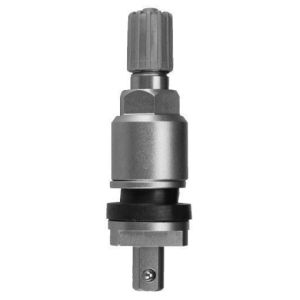
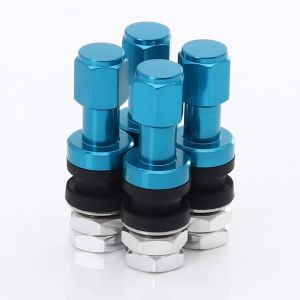
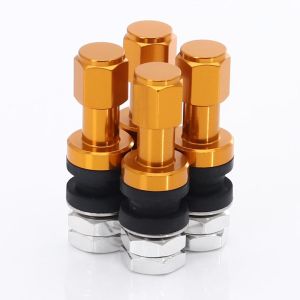
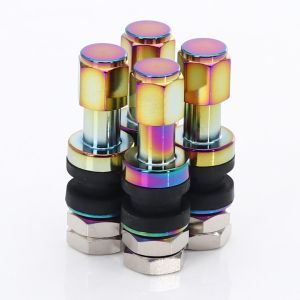
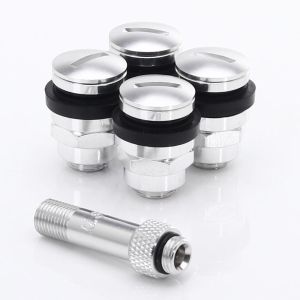
Tyre valves come in two types, and you can filter them by type with the "Mounting" filter. A snap-in valve is rubber: it is pressed into the hole in the wheel and held in place by its own rubber body. A clamp-in valve is metal and is tightened to the wheel with a nut through a seal. On passenger cars the valve hole in the wheel is usually 11.3 mm (the valve maker Alligator gives 11.3 +0.4 mm), so a standard valve fits most steel and alloy wheels. Some wheels have a valve of their own. OZ Racing Opera wheels, for example, take the bolt and cap made specifically for that model.
Speed and pressure
In the Alligator and REMA TIP-TOP catalogues, a rubber snap-in valve is rated for pressures up to 4.5 bar and speeds up to 210 km/h. For faster driving Alligator recommends a metal clamp-in valve, which the manufacturer rates up to 14 bar. A rubber valve is all an everyday car needs. If you drive a powerful car on track or on the autobahn at more than 210 km/h, choose metal.
Rubber ages, so valves are changed with the tyres
A rubber valve sits compressed in the wheel hole all the time, heated by the brakes in summer and frozen in winter. Over the years the rubber becomes brittle, which is why Alligator recommends checking rubber valves and replacing them at every tyre change. A valve costs little compared with a tyre, and there is no point keeping the old one when fitting new tyres.
TPMS sensors: the valve is part of the sensor
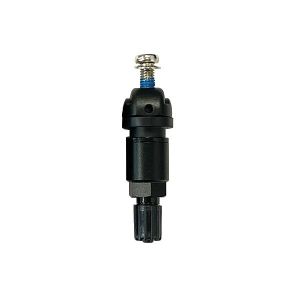
If your car has a direct TPMS system, the tyre pressure sensor sits inside the wheel and the valve is part of the sensor. An ordinary snap-in valve will not replace it. Schrader recommends replacing the sensor valve's seal, nut and cap at every tyre change, because heat and pressure deform them. The Autel valves in this section are replacement valves for Autel MX-Sensor sensors: according to Autel, the rubber or metal valve on these sensors can be changed by hand, without tools. For sensors from other makers, look for the service kit specified for that particular sensor. Japan Racing aluminium valves are meant for wheels without sensors, and JR makes a separate version for TPMS sensors.
The cap is a second seal
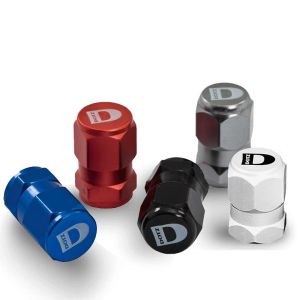
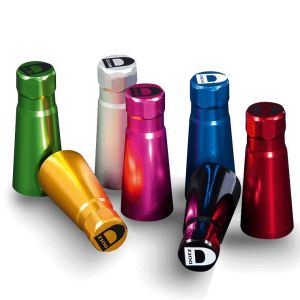
A valve cap with a rubber seal keeps dirt and moisture out of the valve. Alligator explains that a single particle of dust can stop the valve from closing, and the tyre then slowly loses air. Do not leave a valve without a cap. When choosing decorative caps, such as the Dotz set of four, look at the material. Alligator warns that aluminium and brass corrode together, so aluminium valves, TPMS sensors included, should only get aluminium or plastic caps. An aluminium cap on an ordinary valve, on the other hand, can corrode on so tightly that unscrewing it damages the valve.