




How to choose
Touch-up paint for alloy wheels
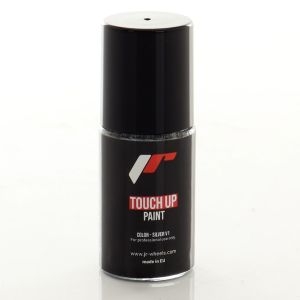
Japan Racing wheel paint comes in a 10 ml bottle, and you choose the shade by the name of the wheel's finish: Bronze, Black, Matt Black, Gold, Gun Metal, Hyper Gray or White. JR has matched these shades to the finishes of its own wheels, for example the SL series and the JR3, JR11 and JR18 models, and the manufacturer itself describes the match as close rather than exact. If your wheel is from another brand, try the paint first on a spot that is not visible.
The paint is meant for minor scratches and scuffs left by kerbing. JR warns that the result may not look like a new wheel. Before painting, clean and degrease the damaged area and let it dry, then follow the instructions on the pack. Paint will not save a bent or cracked wheel. That is no longer a cosmetic matter: Cabinet Regulation No. 295 requires wheels to be free of cracks, deformation and repair welds, so have a wheel like that looked at by a specialist first.
Tyre repair kit with sealant
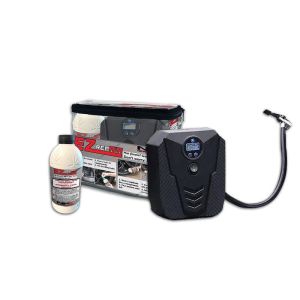
NPK Ez RepAir is a sealant kit, not a patch kit. The box contains a 12 V compressor, a 500 ml bottle of sealant and a valve adapter. The sealant goes into the tyre through the valve and closes a small puncture, and the compressor reinflates the tyre. The manufacturer intends it for minor punctures, to get you to the nearest tyre shop, and recommends having the tyre repaired within 3 days or 160 km, whichever comes first.
As ADAC explains, sealant only works in the tread area and only if the hole is no larger than 4-5 mm. A damaged sidewall cannot be fixed by sealant or by a tyre shop, and a tyre like that has to be replaced. After using the kit, drive no faster than its instructions allow and take the tyre to a tyre shop. Be prepared for it to need replacing there: ADAC notes that once sealant has been used, a tyre is no longer repaired professionally. NPK sealant has a shelf life of 3 years from the production date, so check the date as soon as you put the kit in the boot.
Tread depth and how to measure it
The minimum tread depth in Latvia is set by Cabinet Regulation No. 295. For a passenger car, from 1 December to 1 March, when the Road Traffic Regulations require winter tyres, the tread must be at least 4 mm deep. For the rest of the year the limit is 1.6 mm. If a tyre has worn unevenly, go by the lowest reading.
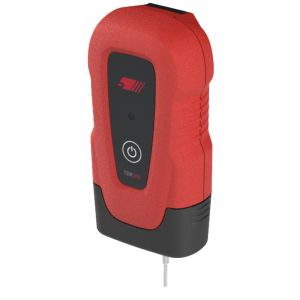
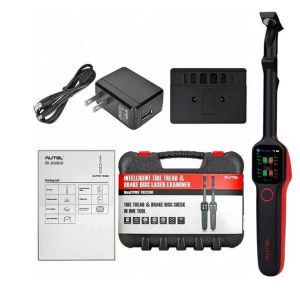
Both measuring instruments in this section are workshop tools. The Autel MaxiTPMS TBE200 measures the tread with a laser and, according to Autel, also measures brake disc wear without removing the wheel. The Alcar Bluetooth tread depth gauge works together with the TECH600 TPMS tool, so it is useful if you already have one.
Jump leads
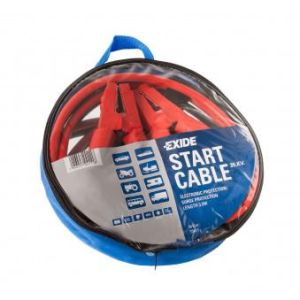
EXIDE jump leads have a 50 mm² cross-section, insulated clamps and a length of 5 m each, so they reach the other car even when it is not parked right alongside. Check your car's owner's manual for where and in what order to connect the leads.