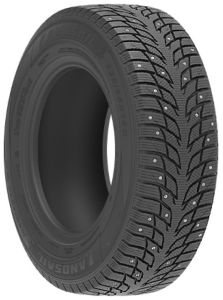
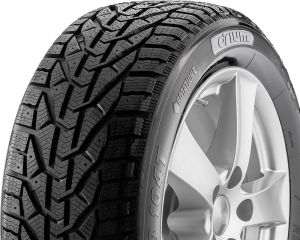
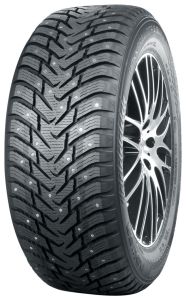
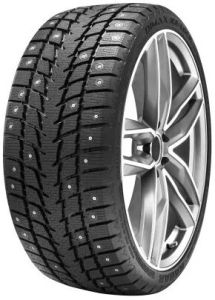
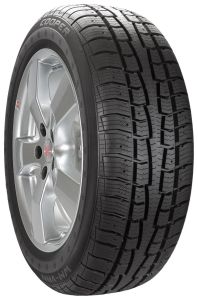
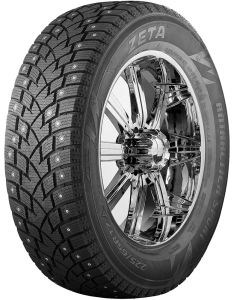
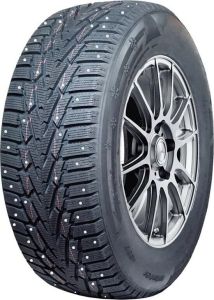
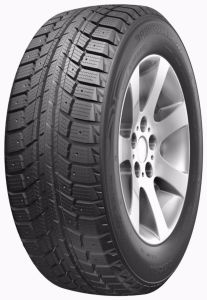
Studded winter tyres

Metal studs bite into ice where rubber alone lets go - tyres for drivers who spend winter on untreated roads.

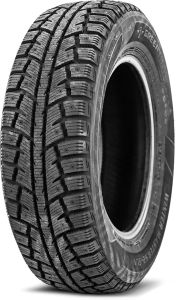
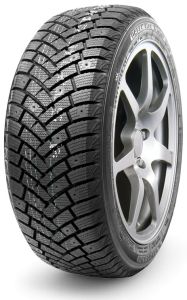
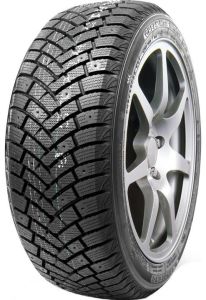
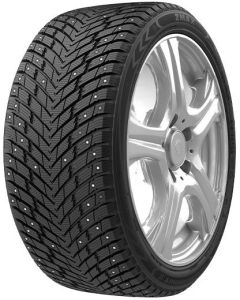
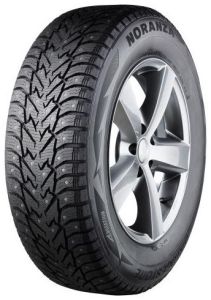
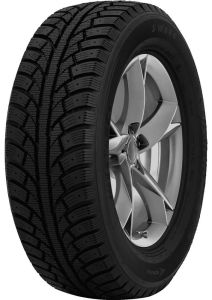
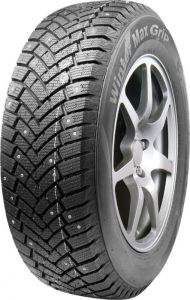
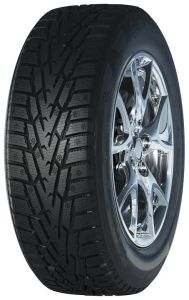
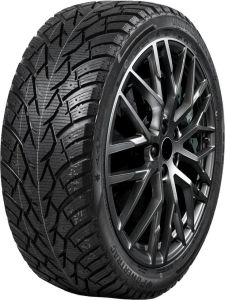
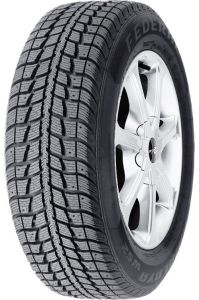
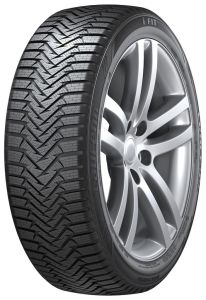
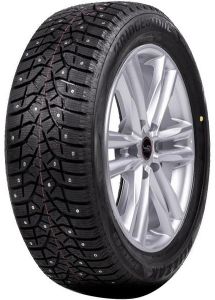
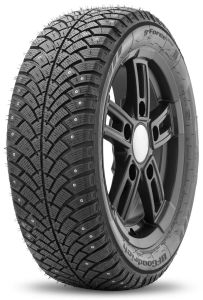
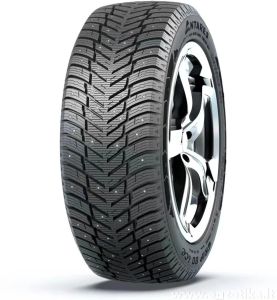
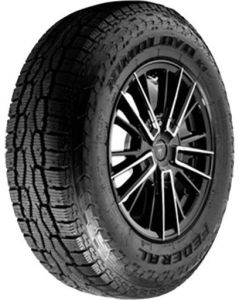
On polished ice, rubber stops helping. That is where a studded tyre starts working: tungsten carbide tips cut into the ice surface and hold the car at the point where a studless tyre is already sliding. Below is our range of studded winter tyres for passenger cars, SUVs and C-marked light commercial vans - but first, how a stud works, what it costs you on dry roads, and who actually needs one.

218 tyre models available

Filter by size

Find your size

Image not available

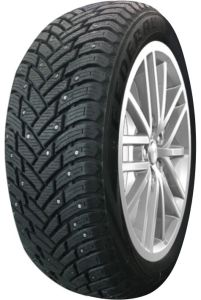
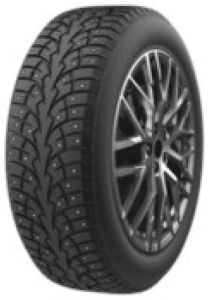
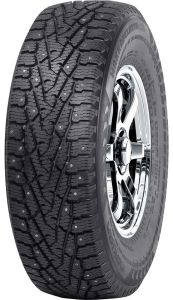
Riken (Kormoran) STUD SUV

5 sizes
from 55,00 € /tyre
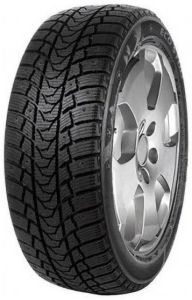
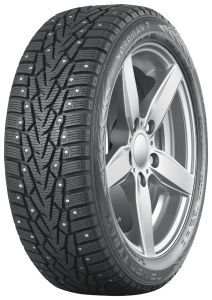
Eco North SUV
4 sizes
from 79,00 € /tyre
Hakkapeliitta 8 SUV
5 sizes
from 49,00 € /tyre
Himalaya K1 PC
5 sizes
from 56,00 € /tyre
Power Grip KC11
3 sizes
from 109,00 € /tyre
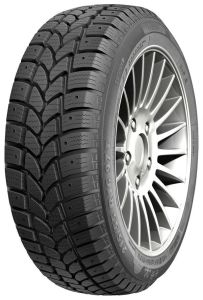
Nordica GT-X
3 sizes
from 48,00 € /tyre
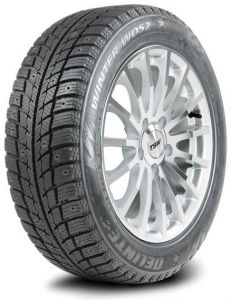
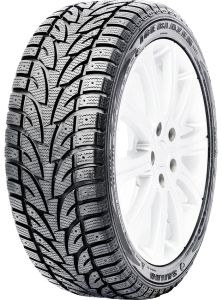
Himalaya WS2
1 size
from 98,00 € /tyre
NeoWinter ICE
3 sizes
from 45,00 € /tyre
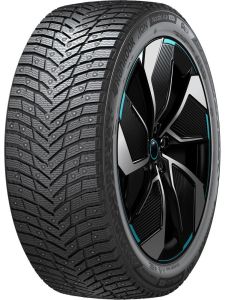
iON Nordic I*CE (IW04)
4 sizes
from 214,00 € /tyre
WV-186

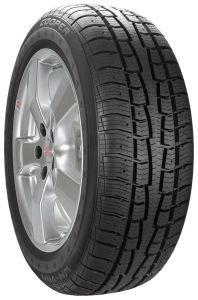
Ecovision WV-186

2 sizes
from 118,00 € /tyre
Winter Grip
4 sizes
from 43,00 € /tyre
Winter Master S2-LT
2 sizes
from 135,00 € /tyre
WinGuard WinSpike SUV (WS62)
1 size
from 92,00 € /tyre
Winternova Stud II
1 size
from 85,00 € /tyre
Winter I*Pike LT (RW09 )
2 sizes
from 85,00 € /tyre
WinterCraft Ice Wi31
3 sizes
from 90,00 € /tyre
Nordic Ice
2 sizes
from 49,00 € /tyre
Vanco IceContact
4 sizes
from 85,00 € /tyre
Ice Blazer WST1
3 sizes
from 42,00 € /tyre
TQ023
1 size
from 35,00 € /tyre
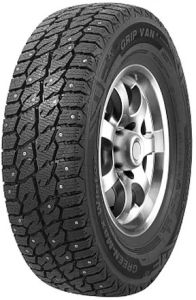
Winter Grip Van 2
2 sizes
from 59,00 € /tyre
Hakkapeliitta 8
3 sizes
from 92,00 € /tyre
Power Grip KC11
2 sizes
from 102,00 € /tyre
SNOWMARCH STUD
1 size
from 86,00 € /tyre
Nordman North C
3 sizes
from 103,00 € /tyre
Winter Defender Grip
3 sizes
from 39,00 € /tyre
Image not available
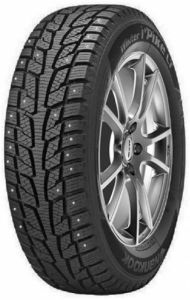
Taurus (Kormoran) 501

3 sizes
from 46,00 € /tyre
Image not available
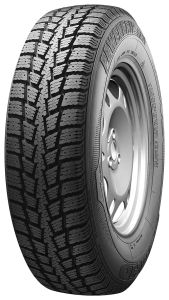
Strial Ice

2 sizes
from 42,00 € /tyre
MK677
1 size
from 72,00 € /tyre
Winter i*Pike RS (W419)
2 sizes
from 39,00 € /tyre
Setula W Race S550
2 sizes
from 105,00 € /tyre
HW501
1 size
from 52,00 € /tyre
HD677
1 size
from 82,00 € /tyre
Nordman 8 SUV
2 sizes
from 99,00 € /tyre
Noranza 001 Van
1 size
from 97,00 € /tyre
Pneumatici Winter IR1
2 sizes
from 81,00 € /tyre
Winter-max S1 MW675
1 size
from 47,00 € /tyre
Hakkapeliitta C3
1 size
from 99,00 € /tyre
SNOW-H MWCS01 FS
2 sizes
from 104,00 € /tyre
Latitude X-Ice North LXIN2+
2 sizes
from 35,00 € /tyre
Winguard Winspike LT
2 sizes
from 104,00 € /tyre
Winter Carving Edge
1 size
from 144,00 € /tyre
Antarctica Sport
1 size
from 98,00 € /tyre
Hakkapeliitta LT2
1 size
from 95,00 € /tyre
iON Nordic i*ce SUV (IW04A)
1 size
from 281,00 € /tyre
Blizzak Spike 02 SUV
2 sizes
from 50,00 € /tyre
Glacia Ice
2 sizes
from 76,00 € /tyre
Snowgard
1 size
from 32,00 € /tyre
Loading...

The studded tyre: how it works and who it suits

How a stud works on ice

A stud is a metal body with a tungsten carbide tip that protrudes roughly a millimetre above the tread. As the wheel turns, the tip cuts into ice and hard-packed snow, and the car is held by mechanical grip rather than by rubber friction. A studless winter tyre solves the same problem differently: with a soft compound and a dense network of sipes that follows the microtexture of the ice.

The difference shows up specifically on polished, glassy ice. On snow the two types perform almost identically, and on wet or dry tarmac the studs no longer help - there, they get in the way, because metal sits between the rubber and the road.

What the independent measurements show

Scandinavian magazines measure both types in the same test every year. The figures below come from Vi Bilägare and the 2025 Tekniikan Maailma and UTAC test. In the Vi Bilägare rows the studded and studless figures are an average of the five best tyres in each category, not the result of a single model. The 2025 figures refer to the best tyre in each group - the studded Bridgestone Blizzak Spike 3 and the studless Kumho WinterCraft Ice.

SituationStuddedStudless (Nordic)Which is ahead
Polished ice, braking from 25 km/h9.9 m11.06 mStudded, by about a metre
Ice, braking from 50 km/h (best tyres)32.3 m33.1 mStudded, by less than a metre
Packed snow, braking from 40 km/h17.74 m17.56 mEffectively a draw
Wet tarmac, braking from 80 km/h30.06 m31.58 mStudded
Dry tarmac, braking from 100 km/h46.54 m45.1 mStudless
Noise70.1 dB66.2 dBStudless
Effect on the road surfaceStuds abrade tarmac and raise road dustDoes not damage the surfaceStudless

The numbers are more honest than the marketing. On ice a studded tyre does stop shorter, but from 25 km/h the gap is about a metre, not a doubling of grip. On dry tarmac the order reverses. In the 2025 Teknikens Värld test both Nordic types also fell behind Central European winter tyres on aquaplaning.

What studs cost you

A stud is metal, and metal has a price. Noise rises by a few decibels, which is clearly audible in the cabin. Rolling resistance, and with it fuel consumption, is slightly higher. Dry braking distances get longer. And studs abrade the road surface - which is why the season is limited by law rather than by recommendation.

There is also a practical catch: studs can come out. If the tyre spends its first few hundred kilometres being punished with hard acceleration and braking, the studs never seat properly in their holes, and some of them are gone before the first season ends.

Who studded tyres are right for

What decides this is not the car but the road it drives every day. Studs pay off where winter leaves untreated ice: rural roads, the coast, small-town streets nobody grits, and steep descents. They also suit anyone regularly driving early in the morning, before the road service has been out.

If most of the mileage is on cleared and salted Riga streets, the studs spend most of the season simply grinding dry tarmac. In that case a good studless Nordic tyre is quieter, cheaper to run, and closer on ice than is usually assumed. A comparison of both types is in the winter tyre section.

How to pick a specific model

  • The 3PMSF marking. Since 1 October 2024 a winter tyre in Latvia must carry the mountain-and-snowflake symbol; M+S on its own is no longer enough, as set out by CSDD. Our studded winter range carries this marking. What the other sidewall markings mean is explained on the tyre markings page.
  • Vehicle type and load. The range covers passenger cars, SUVs and C-marked light commercial vans, in sizes from R13 to R23. A heavier car needs the reinforced XL version. Match the load and speed index to what the vehicle manufacturer specifies - on the door-pillar plate, the fuel filler cap or in the owner's manual, not in the registration document.
  • SUVs take a different tyre. An SUV is heavier and has a higher centre of gravity, so studded tyres built for it have stiffer sidewalls. Those models are in the SUV tyre section.
  • Running them in. Drive the first couple of hundred kilometres calmly, without hard acceleration, sharp braking or quick changes of direction. That lets the studs settle into their holes and stay there for the life of the tyre.
  • Electric cars. Studded tyres suit electric cars too. What matters is the correct size and load index, since the battery makes the car heavier; nothing else differs. Suitable models are in the EV tyre section.

The law and the season across the Baltics

In Latvia winter tyres are compulsory from 1 December to 1 March, and the minimum tread depth during the winter period is 4 mm; the requirements are set by the Road Traffic Law and explained by CSDD. Studs are allowed over a wider window - from 1 October to 1 May - so they are not an option as an early-autumn or late-spring tyre.

CountryStuds permittedWinter tyre periodMinimum tread
Latvia01.10.-01.05.01.12.-01.03.4 mm
Estonia15.10.-31.03., exceptionally to 30.04. in winter conditions01.12.-01.03.3 mm
Lithuania01.11.-09.04.10.11.-01.04.3 mm

The Estonian and Lithuanian dates are collated in the European Consumer Centre overview. Driving further into Central Europe, expect studs to be banned outright in several countries. When exactly to change tyres is covered in When to fit winter tyres; CSDD advises not waiting for the first of December.

Frequently asked questions

It depends on the road, not the car. On untreated, polished ice a studded tyre brakes shorter: in Vi Bilagare measurements, 9.9 metres from 25 km/h against 11.06 metres for the best studless tyre. If most of the mileage is on cleared and salted city streets, a studless Nordic tyre is quieter, cheaper to run and brakes better on dry tarmac.
Each stud sits in a hole in the rubber, and in the first kilometres it has not yet settled. Manufacturers advise driving a couple of hundred kilometres without hard acceleration, sharp braking or quick changes of direction. Ignore that and some of the studs are gone within the first season, and the tyre loses exactly what it was bought for.
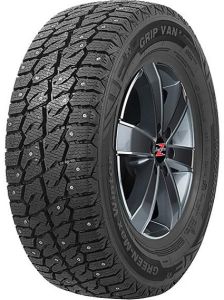
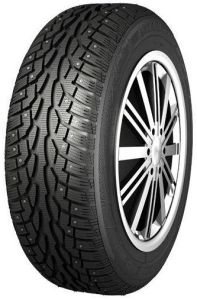
No. Studded and studless tyres must not be used on the same car at the same time, and both tyres on an axle must be of the same type with the same tread pattern. The requirement is set by the Road Traffic Law.
During the winter period from 1 December to 1 March the minimum tread depth for a passenger car is 4 mm. Below that the tyre no longer meets the requirement, and grip on snow drops sharply rather than gradually.
Yes, but the permitted periods differ from Latvia. In Estonia studs are allowed from 15 October to 31 March, and exceptionally to 30 April in winter conditions; in Lithuania from 1 November to 9 April. The Latvian window runs from 1 October to 1 May, so it ends later in spring than in either neighbour.
Yes. The range includes studded models for SUVs, with stiffer sidewalls, and for C-marked light commercial vans, including reinforced XL versions. Choose the size and load index according to the vehicle manufacturer's specification.