
How to choose
Steel or alloy rims
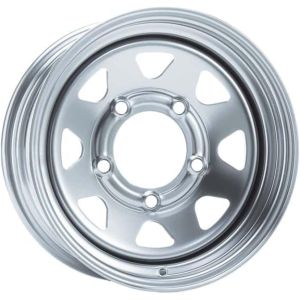
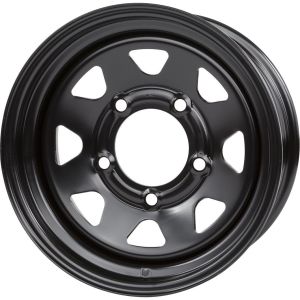
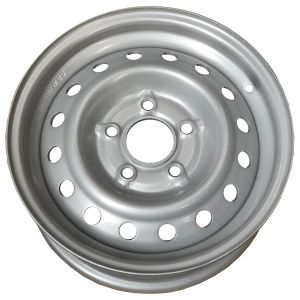
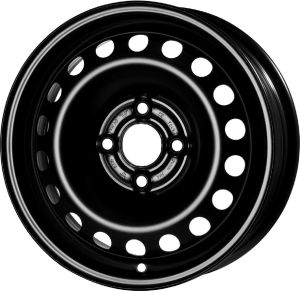
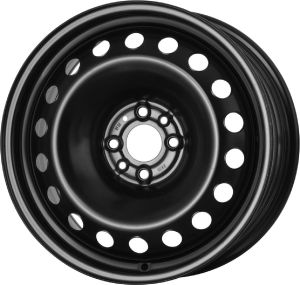
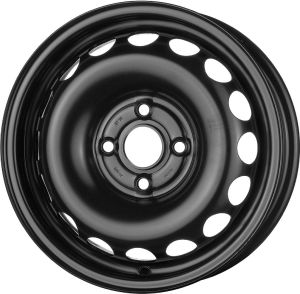
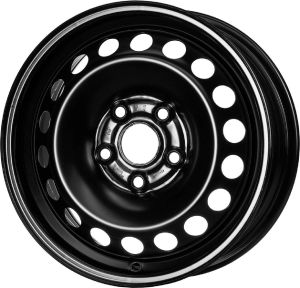
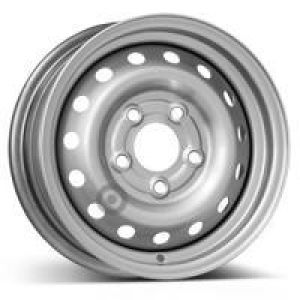
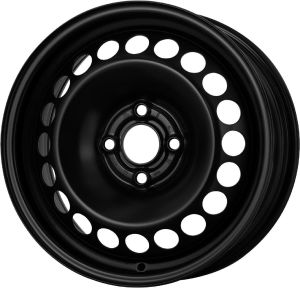
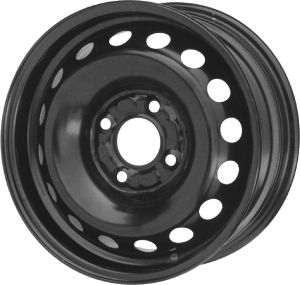
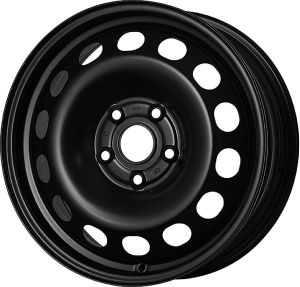
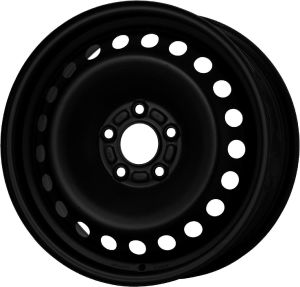
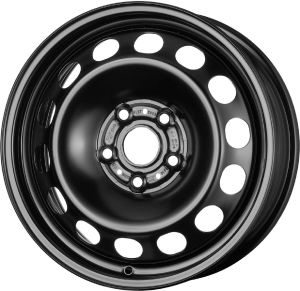
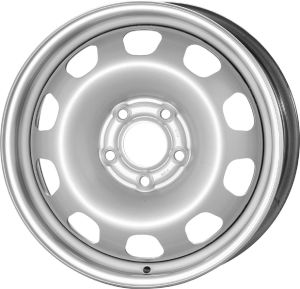
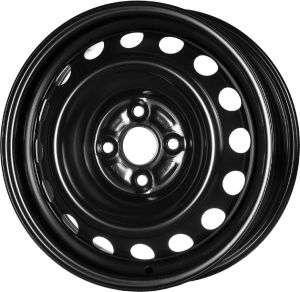
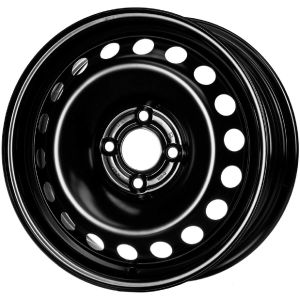
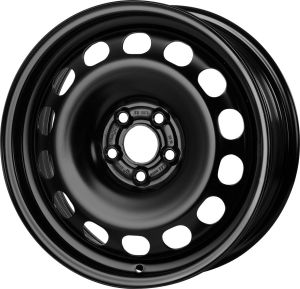
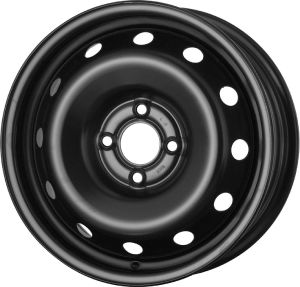
Steel rims are the simplest and cheapest wheel option. They are pressed from sheet steel, so they weigh more than alloy rims of the same size, and there are only a few designs to choose from. An alloy rim is lighter and comes in far more designs, but it costs more. That is why many drivers split them by season, with alloy rims in summer and steel rims in winter.
Why steel suits a winter set
Winter is harder on rims. Roads are gritted with salt and sand, snow hides potholes, and you cannot always see the kerb. A steel rim usually bends rather than cracks when it takes a hit, so a wheel repair shop can often straighten out minor damage. The same hit can crack an alloy rim. If your winter tyres stay on their own rims, the seasonal changeover only means swapping the wheels, and the tyres do not have to be refitted every time. Many drivers also choose a smaller diameter with a taller tyre sidewall for winter, if the car manufacturer approves that size, and steel rims are most often available in exactly those smaller diameters.
There is one thing to keep an eye on. Wherever the paint is scraped off, the steel starts to rust, so it is best to touch up a scratch before the rust spreads.
Wheel trims
Steel rims look plain, so wheel trims are often fitted over them. You choose the trim size by the rim diameter, so a 16-inch rim needs a 16-inch trim. A trim is usually held on by a retaining ring, though some models are fixed with the wheel bolts. A trim does not protect the rim from impacts. It just makes the wheel look tidier.
Bolts and seat type
Do not count on the bolts from your summer alloy rims fitting your steel rims as well. The metal around the bolt holes on a steel rim is usually thinner, so the bolts often need to be a different length. The seat type can differ too. It may be conical, ball (radius) or flat, and it is not always the same as on your summer rims. The seat of the bolt head has to match the seat of the rim, otherwise the wheel can work loose. The seat type is given in the rim specification - check it and choose wheel bolts or nuts made for that particular rim.
Before you buy
A steel rim is only a bargain if it fits. Compare its specifications with the car manufacturer's data, which you will find in the owner's manual:
- the bolt pattern (PCD) must match exactly;
- the diameter, width and offset (ET) must be chosen from the sizes the manufacturer approves;
- the centre bore (DIA) must not be smaller than the car's hub, and a larger one needs hub-centric rings.
If the car manufacturer fitted a tyre pressure monitoring system with sensors in the wheels, your winter wheels need TPMS sensors too. Without sensors, or with sensors that do not work, the system stops working and the car will fail its roadworthiness test.